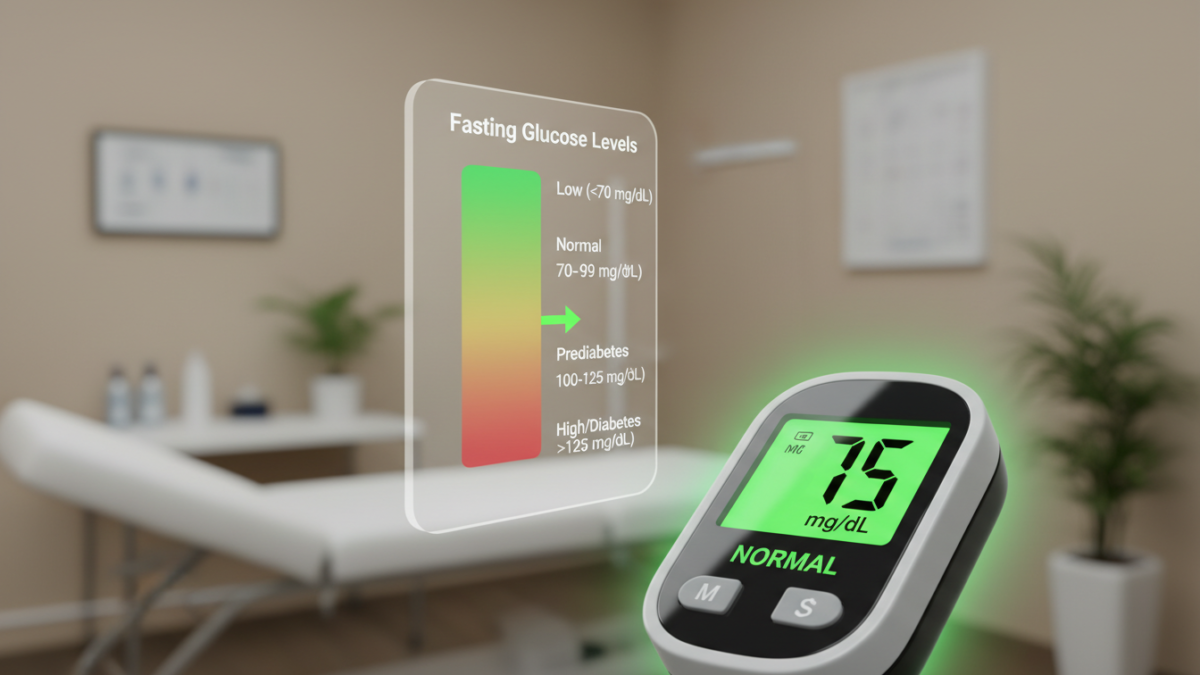
The fasting blood glucose test is a key test in health care. It shows how well your body handles sugar after not eating for a while. It’s a big part of keeping people healthy in the U.S.
Glucose is the sugar your body uses for energy. Your brain, muscles, and cells all need it. When you eat, your body breaks down food into glucose. This glucose goes into your blood and tells your pancreas to make insulin.
Insulin is like a key that unlocks your cells. It lets them take in glucose for energy.
Knowing your fasting glucose range is important. The American Diabetes Association says everyone should get tested by age 35. If you have a family history of diabetes or are overweight, you might need to get tested earlier.
Knowing your fasting blood sugar levels is a quick check of your health. A reading between 70 and 99 mg/dL is normal. It’s also important to check your glucose levels after eating. They should be under 140 mg/dL two hours after eating.
Keeping your fasting glucose levels healthy can help prevent diabetes. Catching problems early through testing can lead to better health in the long run.
Key Takeaways
- The fasting glucose normal range for healthy adults falls between 70 and 99 mg/dL.
- Normal fasting blood sugar levels are measured after at least eight hours without food.
- Screening is recommended for all adults by age 35, with earlier testing for those at higher risk.
- Glucose comes from the food you eat and relies on insulin from the pancreas to enter your cells.
- Post-meal glucose should remain below 140 mg/dL about two hours after eating.
- Maintaining healthy fasting glucose levels is essential for preventing prediabetes and type 2 diabetes.
What the Test Measures
A fasting blood glucose test checks your blood sugar after not eating for 8 hours. It shows how your body handles sugar. Knowing your fasting glucose helps track your health over time.
There are many ways to measure blood sugar, each for different reasons. A fasting blood glucose chart helps compare your results to standards.
Glucose Levels in the Blood
In the U.S., blood glucose is measured in milligrams per deciliter (mg/dL). This test shows your sugar level after fasting. It tells your doctor about your insulin production and how your cells use it.
Understanding normal fasting glucose is key. Healthy levels are within a certain range. Levels outside this range may indicate health issues.
Measurement Techniques
Doctors and patients use various tools to check blood sugar. Here are the main methods:
- Blood glucose meters — small devices that quickly analyze a blood drop from a finger prick.
- Continuous glucose monitoring (CGM) systems — tiny sensors that track glucose levels every few minutes, day and night. Dexcom and Abbott FreeStyle Libre are popular brands.
- Laboratory venous blood draws — the most accurate method, often used in clinical screenings.
| Method | Sample Source | Speed of Results | Best Use |
|---|---|---|---|
| Fingerstick Meter | Capillary blood | 5–10 seconds | Daily self-monitoring |
| CGM System | Interstitial fluid | Continuous readings | Real-time trend tracking |
| Lab Blood Draw | Venous blood | Hours to one day | Clinical diagnosis |
Each method has its own purpose. Using a fasting blood glucose chart with the right method gives a clear view of your health. This helps understand why doctors order this test.
Why Fasting Glucose Tests Are Ordered
Doctors order fasting glucose tests for two main reasons. They want to catch diabetes early and track it over time. Knowing fasting glucose levels by age helps doctors decide the best treatment for each patient. A single test is not enough — at least two abnormal readings are needed for a diagnosis.
Screening for Diabetes
The American Diabetes Association suggests starting routine screening at age 35 for all adults. Fasting blood sugar tests show if someone is normal, prediabetic, or diabetic. The Hemoglobin A1C test also checks average blood sugar over two to three months. This gives doctors a full view of a person’s metabolic health.
“Early detection of prediabetes through routine screening can delay or prevent the onset of type 2 diabetes.” — American Diabetes Association, Standards of Care in Diabetes, 2024
Monitoring Existing Conditions
For those with diabetes, fasting blood sugar tests help manage the condition. The ADA sets glucose targets that vary based on individual needs:
| Timing | Target Range (mg/dL) |
|---|---|
| Before meals (fasting) | 80–130 |
| Two hours after meal start | Less than 180 |
These targets are not the same for everyone. Fasting glucose levels by age help set personal goals. Older adults or those with heart disease might have slightly higher targets to avoid dangerous blood sugar drops. Younger patients often aim for tighter control to prevent long-term complications.
Regular testing helps both patients and doctors. It makes it easier to adjust medication, diet, or activity levels over time.
Normal Reference Range for Fasting Glucose
Knowing your fasting blood sugar numbers is key to staying healthy. These numbers help doctors understand your health status. They guide the care you need. The ranges change with age, and knowing them can help you act early.
Units of Measurement
In the U.S., fasting glucose is measured in milligrams per deciliter (mg/dL). Other countries use millimoles per liter (mmol/L). To switch, divide mg/dL by 18. For instance, 100 mg/dL is about 5.6 mmol/L. Make sure to check your lab report’s unit.
Typical Values
The American Diabetes Association says a normal fasting blood sugar is 99 mg/dL or less. Prediabetes is 100 to 125 mg/dL. A reading of 126 mg/dL or higher on two tests means type 2 diabetes.
Values change with age. Here’s a quick look:
| Age Group | Fasting Glucose Range (mg/dL) |
|---|---|
| Children (6–12 years) | 70–120 |
| Teens (13–19 years) | 70–140 |
| Adults (20–64 years) | 70–99 (normal); 70–90 (optimal) |
| Adults 65 and older | 70–140 |
For most adults, the best fasting glucose levels are 70 to 90 mg/dL. A study in the Journal of the American College of Cardiology found risks rise with glucose above 90 mg/dL. This shows why regular tests are important, even before diabetes is diagnosed.
Implications of High Fasting Glucose Levels
High fasting glucose levels mean your body might not be handling sugar right. A reading of 100 mg/dL or higher after not eating overnight is not normal, says the American Diabetes Association. It’s important to understand what high numbers mean to keep your health safe.
Potential Conditions Indicated
Readings above normal levels can show certain health issues. Numbers between 100 and 125 mg/dL might mean you have prediabetes. A reading of 126 mg/dL or higher on two tests means you have diabetes.
Signs of too much sugar in the blood include:
- Excessive thirst and frequent urination
- Persistent fatigue and dry mouth
- Unexplained weight loss
- Blurry vision and headaches
- Difficulty concentrating and increased food cravings
- Heightened anxiety
Health Risks Associated
High blood sugar can harm blood vessels and nerves. This can lead to heart attacks, strokes, and other serious problems. The National Institute of Diabetes and Digestive and Kidney Diseases says it can also cause vision loss, numbness in hands and feet, and weaken your immune system.
| Fasting Glucose Level | Classification | Associated Risk |
|---|---|---|
| Below 100 mg/dL | Normal | Low cardiovascular and metabolic risk |
| 100–125 mg/dL | Prediabetes | Increased risk of developing type 2 diabetes |
| 126 mg/dL or higher | Diabetes | High risk of organ damage and vascular complications |
Knowing your fasting glucose levels is key to acting early. Catching high readings early can help you manage your health through lifestyle changes or treatment.
Implications of Low Fasting Glucose Levels
Knowing what is normal fasting glucose helps you spot when levels are too low. A reading under 70 mg/dL is called hypoglycemia. It’s as dangerous as high blood sugar. Low glucose has its own risks that need attention.
Possible Causes
Low blood sugar often affects people with type 1 and type 2 diabetes. It happens if they take insulin or certain oral meds. Other medical conditions can also lower glucose levels:
- Liver disease that messes with glucose storage and release
- Kidney disease that affects hormone regulation
- Hormone deficiencies, like low cortisol or growth hormone
- Certain medications, including heart drugs and some antibiotics
- Prolonged fasting or severe calorie restriction
“Hypoglycemia requires prompt treatment. A blood glucose level below 54 mg/dL needs immediate medical action.” — American Diabetes Association, Standards of Care 2024
Health Considerations
Symptoms of low blood sugar appear quickly. You might feel shaking, sweating, dizzy, confused, or have a rapid heartbeat. Severe episodes can cause seizures or loss of consciousness if not treated.
| Glucose Level (mg/dL) | Classification | Typical Symptoms |
|---|---|---|
| 70–99 | Normal fasting range | None |
| 54–69 | Mild hypoglycemia | Hunger, nervousness, sweating |
| Below 54 | Severe hypoglycemia | Confusion, seizures, loss of consciousness |
Knowing what is normal fasting glucose helps you catch dangerous dips early. If you keep getting low readings, talk to your doctor. They can adjust your meds or find the cause. Keeping glucose levels healthy is key for brain and heart health.
Related Biomarkers
A fasting blood glucose chart shows your sugar levels at one time. Doctors often use other tests to get a full picture. These tests help confirm a diagnosis and track blood sugar control over time.
Understanding fasting glucose levels by age is important. But seeing how your body handles sugar in different scenarios is just as critical.
Hemoglobin A1c
The A1c test measures your average blood sugar over two to three months. It checks how much glucose has attached to your red blood cells. The American Diabetes Association (ADA) uses these benchmarks:
- Below 5.7% — normal range
- 5.7% to 6.4% — prediabetes
- 6.5% or above — diabetes
This test does not require fasting. It shows long-term trends, not just a single-day reading. Doctors use it to adjust treatment plans and monitor glucose management.
Random Blood Glucose
A random blood glucose test can be taken at any time of day. A result above 200 mg/dL, with symptoms like frequent urination or excessive thirst, points toward diabetes.
The oral glucose tolerance test (OGTT) is another key tool. After drinking a sugary solution, blood is drawn two hours later. The International Diabetes Federation notes that healthy adults should stay below 140 mg/dL after meals. A two-hour reading between 140 and 199 mg/dL suggests prediabetes.
| Biomarker | Normal | Prediabetes | Diabetes |
|---|---|---|---|
| Fasting Glucose | Below 100 mg/dL | 100–125 mg/dL | 126 mg/dL or above |
| A1c | Below 5.7% | 5.7%–6.4% | 6.5% or above |
| Random Glucose | Below 140 mg/dL | 140–199 mg/dL | 200 mg/dL or above |
Reviewing fasting glucose levels by age alongside these biomarkers gives your healthcare provider the data needed to make well-informed decisions about your care.
Factors That Affect Fasting Glucose Results
Your fasting blood sugar test results can change due to many daily habits and body responses. Getting to the right fasting glucose levels is not just about skipping breakfast. Lifestyle and biological factors also play a big role in your numbers.
Diet and Nutrition
What you eat the night before a test is important. A big, carb-heavy dinner can make your morning glucose higher. Alcohol intake can cause unexpected changes in your blood sugar.
Caffeine, some herbal supplements, and bioactive compounds can also affect your results. Dehydration can make your blood sugar seem higher because it concentrates it.
Physical Activity Level
Exercise helps keep your fasting glucose levels in check by making your cells use insulin better. A hard workout the day before can lower your glucose. But, not moving much can make your fasting numbers go up.
Being overweight can also make it harder for your body to use insulin, which is linked to activity levels.
Stress and Illness
Stress makes your body release cortisol, which tells your liver to release glucose into your blood. Being sick, infections, and poor sleep can have the same effect. Hormonal changes, like those during the menstrual cycle, can also change your readings.
| Factor | Effect on Fasting Glucose | Direction of Change |
|---|---|---|
| High-carb evening meal | Raises morning glucose | Increase |
| Regular moderate exercise | Improves insulin sensitivity | Decrease |
| Acute psychological stress | Cortisol triggers glucose release | Increase |
| Dehydration | Concentrates blood glucose | Increase |
| Poor sleep (under 6 hours) | Raises insulin resistance | Increase |
| Caffeine consumption | May impair glucose metabolism | Increase |
Knowing about these factors helps you and your doctor understand your test results better. This is something we’ll look at more in the next section.
Clinical Context Considerations
A single number on a lab report never tells the full story. Fasting plasma glucose normal values depend on a patient’s age, health history, and unique biological makeup. Doctors weigh these factors before making any diagnosis or treatment decision.
Patient History
A person’s medical background shapes how clinicians interpret blood sugar readings. Children with diabetes should maintain levels between 80–180 mg/dL throughout the day, according to Nationwide Children’s Hospital. The Mayo Clinic suggests teens aim for a tighter window of 70–140 mg/dL.
For older adults managing diabetes alongside conditions like heart disease or kidney problems, providers may set more lenient glucose targets. Pancreas damage from chronic pancreatitis or long-standing diabetes can shift what counts as an acceptable reading. Research indicates that a fasting level between 70–90 mg/dL in healthy adults carries the lowest prediabetes risk.
Population Differences
The prediabetes fasting glucose range of 100–125 mg/dL applies broadly, yet certain populations face higher risk at the same numbers. Ethnicity, genetics, and regional lab calibration all play a role. Different laboratories may report slightly different reference ranges based on the equipment and reagents they use.
| Age Group | Recommended Fasting Range | Source |
|---|---|---|
| Children (6–12 years) with diabetes | 80–180 mg/dL | Nationwide Children’s Hospital |
| Teens (13–19 years) with diabetes | 70–140 mg/dL | Mayo Clinic |
| Healthy adults | 70–99 mg/dL | American Diabetes Association |
| Older adults with co-morbidities | Up to 130 mg/dL (individualized) | American Geriatrics Society |
These distinctions explain why fasting plasma glucose normal values should never be judged in isolation. Your doctor considers your full clinical picture—past diagnoses, medications, family history, and lifestyle—before interpreting results. This context matters just as much as external factors discussed in the previous section on diet, activity, and stress.
Limitations of the Fasting Glucose Test
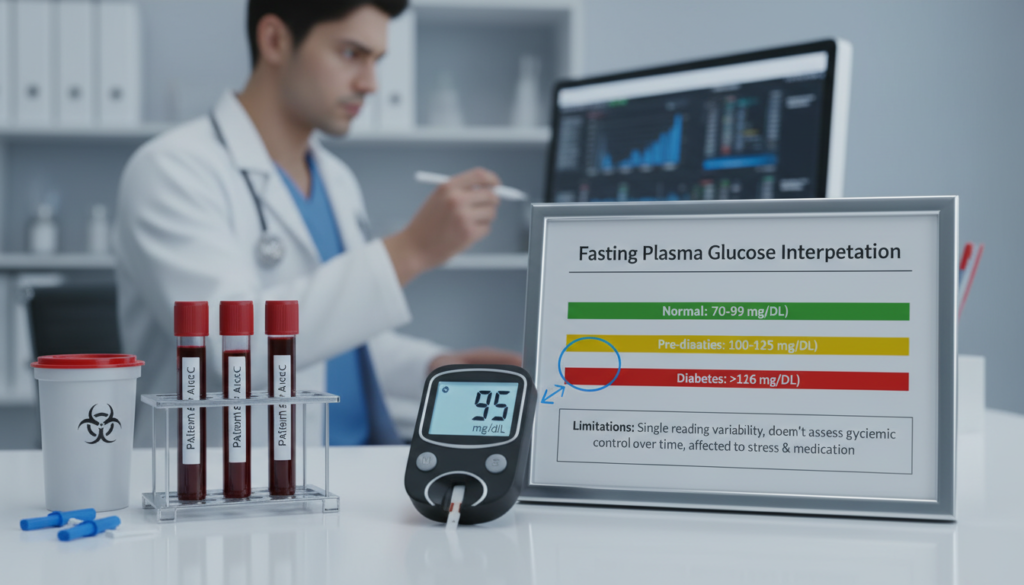
The fasting glucose test is useful but has its limits. A single test result doesn’t mean you’re always healthy. Blood sugar levels change throughout the day due to food, stress, sleep, and activity. Knowing these limits helps both patients and doctors make better choices.
Sensitivity and Specificity
A fasting test only shows one snapshot in time. You might have normal levels in the morning but high spikes after eating. Studies in the Journal of Clinical Endocrinology & Metabolism show most healthy people stay under 140 mg/dL most of the time. The highest levels usually happen within 30 minutes after eating.
The American Diabetes Association wants to see at least two abnormal results on different days to confirm diabetes. A single high reading isn’t enough. This rule helps avoid false positives due to daily changes.
Influence of External Factors
Many outside factors can affect test results, even if you have normal levels:
- A low-carb diet can lower fasting glucose below 70 mg/dL, which might not be a problem if your body has adjusted.
- Poor sleep can increase morning glucose levels.
- Stress or illness can raise blood sugar due to cortisol.
- Some medications, like corticosteroids, can also raise readings.
| External Factor | Effect on Fasting Glucose | Clinical Significance |
|---|---|---|
| Low-carb diet | May lower below 70 mg/dL | Often benign if body is adapted |
| Sleep deprivation | Raises fasting glucose | Can mimic prediabetic readings |
| Acute stress or illness | Raises fasting glucose | Temporary; retest recommended |
| Corticosteroid use | Raises fasting glucose | Medication adjustment may be needed |
Because of these factors, doctors use the fasting test along with other markers like hemoglobin A1c. This gives a better view of blood sugar levels over time.
Conclusion
Learning about normal fasting glucose is key to keeping you healthy for years to come. This simple blood test shows how your body handles sugar. Catching issues early can greatly improve your health.
Summary of Key Points
The fasting glucose normal range is below 99 mg/dL for adults, says the American Diabetes Association. If your reading is 100–125 mg/dL, you might have prediabetes. A reading of 126 mg/dL or higher on two tests means you have diabetes.
Here are the main points from this guide:
- You need to fast for at least 8 hours before your test for accurate results.
- Over 98 million American adults have prediabetes, but many don’t know it.
- No single test tells the whole story. Combining fasting glucose with hemoglobin A1C gives a better view.
- Things like diet, stress, exercise, and illness can change your readings.
- Changing your lifestyle, like exercising more and eating well, can stop prediabetes from becoming type 2 diabetes.
| Fasting Glucose Level | Classification | Recommended Action |
|---|---|---|
| Below 99 mg/dL | Normal | Routine screening every 3 years |
| 100–125 mg/dL | Prediabetes | Lifestyle modifications and annual retesting |
| 126 mg/dL or higher | Diabetes | Confirmatory testing and medical management |
Knowing about normal fasting glucose helps you talk better with your doctor. If you have risk factors like family history, obesity, or not moving much, ask for regular tests. Early detection through fasting glucose can lead to treatments that greatly lower your risk of serious health problems.
References
This article uses information from trusted medical sources and health experts in the U.S. Each fasting blood glucose chart and guideline is based on current medical standards. Doctors and researchers follow these guidelines.
Medical Sources Supporting Information
Data on fasting glucose levels by age comes from the American Diabetes Association and the International Diabetes Federation. The NIH National Institute of Diabetes and Digestive and Kidney Diseases did research on blood sugar. Mayo Clinic and Nationwide Children’s Hospital gave age-specific ranges and screening tips.
Dr. Nate Wood, Director of Culinary Medicine at Yale School of Medicine, and Dr. L. Priyanka Mahali, an endocrinologist, shared their insights. Kara Collier, RDN, LDN, CNSC, and Liz McKinney, MS, CNS, LDN, offered nutrition advice.
It’s important to talk to your healthcare provider about fasting glucose levels by age. These references are a good start for learning about blood sugar health. But, they shouldn’t replace personalized medical advice.