Nearly 1.7 million adults in the United States get sepsis each year, says the Centers for Disease Control and Prevention. A blood culture test is key for finding the infections that cause sepsis. But, it only finds the cause in 10–20% of cases of fever in people with low white blood cells and 25–30% of cases of pneumonia.
The blood culture test does more than just find germs. It’s the top test for finding bacteria or fungi in the blood. A blood sample is put into special bottles with food for germs to grow. This lets even a few germs grow enough to be found.
How well the test finds germs varies. For example, it finds germs in 53–99% of cases of infective endocarditis. It finds germs in about 30–40% of cases of infections in the abdomen. It finds germs in almost 50% of cases of fungal disease spreading through the body. These numbers show how important it is to know the patient’s situation when looking at test results.
Understanding blood culture test results depends on knowing the patient’s situation. Things like where the infection might be, any antibiotics the patient has taken, and their immune system status are all important. Without this information, it’s hard to tell if the test really found an infection.
Key Takeaways
- A blood culture test is the gold standard for diagnosing bacteremia and fungemia in clinical practice.
- Positivity rates range from as low as 10% in neutropenic fever to as high as 99% in infective endocarditis.
- The blood culture test meaning encompasses both pathogen identification and antimicrobial susceptibility data.
- Collected blood samples incubate in nutrient-rich media designed to support microbial growth.
- Complete clinical information submitted with the order is essential for accurate result interpretation.
- Detection of bacteremia directly influences decisions about antimicrobial therapy selection in critical care settings.
What Is a Blood Culture Test?
A blood culture test looks for bacteria, fungi, or yeast in your blood. It’s a key tool in finding infections. Doctors use it when they think you might have a serious infection.
Definition and Purpose
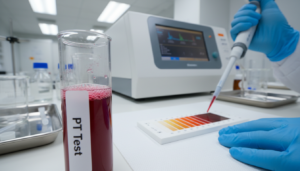
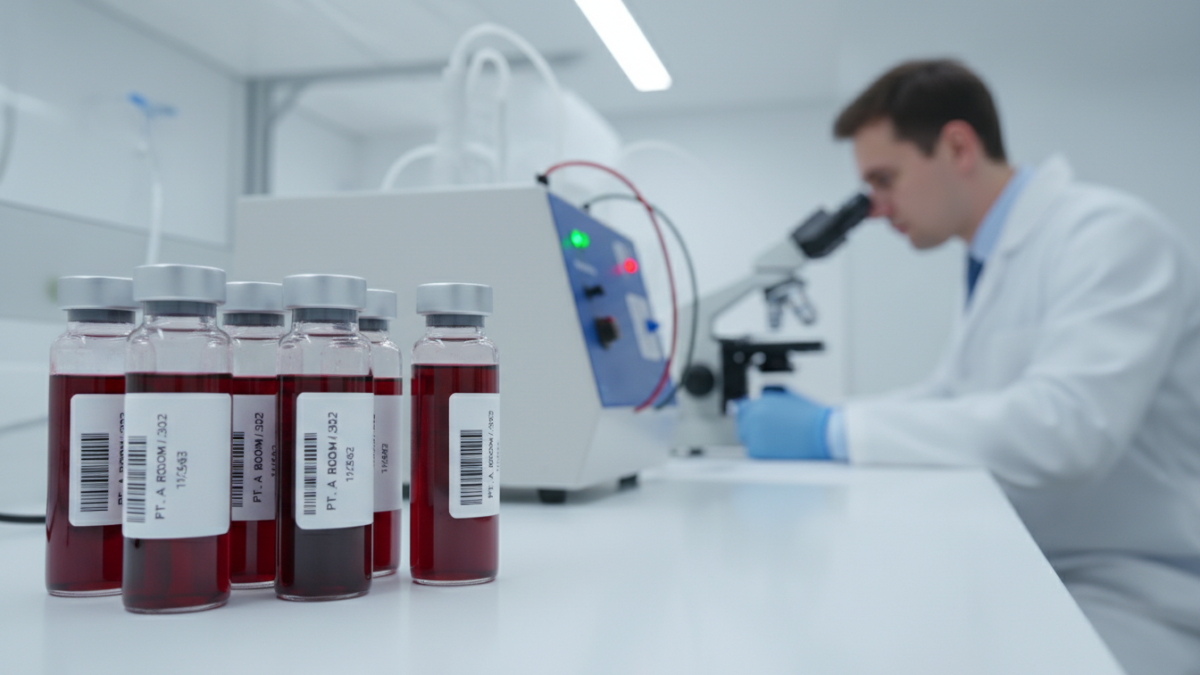
To do a blood culture, a blood sample is taken. It’s put into special bottles with culture media. This mix helps any germs in your blood grow.
The goal is to find out what germ is causing the infection. If the test shows germs, it helps doctors choose the right medicine.
How Blood Cultures Work
Each bottle has sodium polyanethol sulfonate (SPS) to stop blood from clotting. SPS also gets rid of any leftover medicine and keeps immune cells from killing germs.
Aerobic bottles have beads that soak up medicine. After adding the blood, the bottles are watched closely. They check for signs of germs every 10 minutes.
When the system finds something, lab workers start to figure out what germ it is. They also test how well medicine works against it. This makes sure the results are right and help doctors treat you better.
Importance of Blood Culture Tests
Blood culture tests are key in finding the cause of infections in the blood. They help doctors find the right treatment faster. This is because finding the infection early can lead to better health outcomes.
Role in Diagnosing Infections
Blood cultures find bacteria and fungi in the blood. This is very important for diagnosing infections. Doctors who study microbes help a lot in this process.
They teach how to take samples and find the right microbes. But, it’s hard to tell the real cause from something that’s just there by mistake. Studies say about a third to half of blood culture finds might not be the real problem.
| Isolate Category | Estimated Proportion | Clinical Action Required |
|---|---|---|
| True pathogen | 50–65% | Targeted antimicrobial therapy |
| Contaminant | 25–35% | Clinical correlation and possible repeat culture |
| Unknown significance | 10–15% | Microbiologist-clinician consultation |
Impact on Treatment Decisions
Knowing the results of blood cultures helps pick the right medicine. The right medicine can make a big difference in how well a patient does. Without the right info, doctors might use too many medicines or the wrong ones.
- Knowing the pathogen helps narrow down the medicines to use.
- Knowing how the pathogen reacts to medicines helps adjust treatment.
- More tests help see if treatment is working.
Lab results from blood cultures are indispensable for finding out about infections. They help doctors understand when to use blood tests. This is very important for treating infections.
Common Reasons for Ordering a Blood Culture
Doctors order blood cultures when they think a patient has a systemic infection. Knowing what a blood culture test means is key. It’s very important in emergency and inpatient settings. Some symptoms make doctors think they need to do this test.
The following signs often lead to a blood culture order:
- Fever or chills
- Unexplained fatigue
- Decreased urination
- Nausea
- Confusion or altered mental status
- Rapid heart rate or breathing
Suspected Sepsis
A blood culture is urgent when sepsis is suspected. Sepsis is when the body’s fight against infection harms organs. It’s very dangerous and needs quick action. A blood culture test finds bacteria or yeast in the blood. This helps doctors make quick decisions.
In cases of continuous bacteremia, like suspected endocarditis, when to take samples is flexible. Rules from national guidelines and local labs guide this.
Unexplained Fever
Unexplained fever is a common reason for blood cultures. When doctors can’t find the cause, blood cultures help. In periodical bacteremia, it’s best to take samples when fever starts or during chills.
| Bacteremia Type | Optimal Collection Timing | Clinical Example |
|---|---|---|
| Periodical | At fever onset or during chills | Abscess, pneumonia |
| Continuous | Any time; timing is flexible | Endocarditis |
| Transient | Difficult to capture; multiple draws recommended | Post-procedural bacteremia |
Getting the timing and technique right is key for accurate results. The next section will look at the types of blood cultures used.
Types of Blood Cultures
A blood culture test uses special media to find many pathogens. Different bottles catch different germs. The right culture medium is key to finding the cause of infection.
Aerobic and Anaerobic Cultures
When we take blood, we put it in two main types of bottles. Aerobic bottles are for germs that need oxygen. They also have beads to soak up antibiotics.
Anaerobic bottles are for germs that don’t need oxygen. These are used in certain cases, like after surgery or in diabetic patients with infections.
Pediatric bottles are smaller, for 1–5 mL of blood. They help find infections in patients who have already been treated.
Fungal and Mycobacterial Cultures
Fungal bottles find fungi faster than regular bottles. Fungi can grow in regular media, but these bottles are more sensitive.
Mycobacterial cultures need special care and take weeks to grow.
| Culture Type | Target Organisms | Typical Incubation Period |
|---|---|---|
| Aerobic | Staphylococci, Streptococci, Gram-negative bacilli | 5 days |
| Anaerobic | Bacteroides, Clostridium species | 5 days |
| Fungal | Candida, Histoplasma species | Up to 30 days |
| Mycobacterial | Mycobacterium tuberculosis, NTM | Up to 42 days |
According to the Clinical and Laboratory Standards Institute (CLSI), collecting both aerobic and anaerobic bottles per set remains the standard recommendation for optimal pathogen recovery.
Choosing the right blood culture test helps find the germ causing the infection. This guides the next steps in diagnosis.
How Blood Culture Samples Are Collected
Getting blood samples right is very important. It affects how well we can find infections. If done wrong, it can lead to wrong results and extra treatments.
Venipuncture Procedure
Blood samples are taken first to keep them clean. It’s key to clean the skin well before taking the blood. This is done with special cleaners like chlorhexidine gluconate.
It’s important to take blood from two different places to avoid mistakes. The first bit of blood is thrown away to get rid of skin bacteria. If a catheter is involved, blood is taken from it and a vein at the same time.
Blood Sample Volume Requirements
The amount of blood taken is very important. Even a few bacteria can cause infection. So, we need enough blood to find these tiny bugs.
| Patient Category | Volume Per Set | Recommended Sets | Total Volume |
|---|---|---|---|
| Adults (standard) | 20–30 mL | 2 sets | 40–60 mL |
| Adults (suspected endocarditis) | 20–30 mL | 3 sets minimum | 60–90 mL |
| Pediatric (≤ 12.7 kg) | 2–4 mL | 1–2 sets | 2–8 mL |
| Pediatric (12.8–36.3 kg) | 10–20 mL | 2 sets | 20–40 mL |
For suspected endocarditis, we need at least three sets. Kids get smaller amounts to avoid too much blood loss. Taking the right amount of blood helps us find infections better.
Preparing for a Blood Culture Test
Getting ready for a blood culture test is important for good results. Knowing what the test means and how it’s done can make you feel better. You don’t need to change your diet or fast before the test.
Patient Instructions Before the Test
Doctors look at your symptoms and medical history to pick the best time for the test. They clean the area where they’ll take the blood. Then, they use a thin needle to take blood from a vein.
They take blood from another vein too. This helps find the real cause of infection. Blood culture bottles can stay at room temperature for a while without losing quality. But, it’s best to get them to the lab as soon as possible.
Medications and Their Effects
Tell your doctor about any medicines you’re taking before the test. Some medicines can hide the signs of infection in the test. Special bottles are used to fix this problem:
| Bottle Type | Mechanism | Clinical Benefit |
|---|---|---|
| SPS-containing bottles | Sodium polyanethol sulfonate neutralizes select antibiotics | Reduces antimicrobial carryover in samples |
| Resin bead bottles | Resin beads absorb antimicrobial agents from the specimen | Improves organism recovery in patients receiving therapy |
Using special bottles helps find more infections in people on medicine. Telling your doctor about all your medicines helps get the best results from the test.
Interpreting Blood Culture Results
After a blood culture is incubated and tested, the lab says it’s either positive or negative. It’s important to understand these results well. This is because not every positive result means you have an infection.
Positive Results and Their Implications
When a blood culture shows bacteria or yeast, it’s a positive result. If two bottles show the same organism, it’s likely you have an infection. Some germs are always important to find, like:
- Staphylococcus aureus
- Enterobacteriaceae (e.g., Escherichia coli, Klebsiella)
- Pseudomonas aeruginosa
- Streptococcus pneumoniae
- Candida species
- Neisseria meningitidis
- Listeria monocytogenes
Some germs are more important than others. The table below shows how often certain germs are found in blood infections.
| Organism | Estimated Clinical Significance |
|---|---|
| Alpha-hemolytic Streptococcus | 40–60% |
| Coagulase-negative Staphylococcus | 20–40% |
| Staphylococcus aureus | >90% |
In some cases, more than one germ is found in the blood. This happens in about 15% of cases. People with weakened immune systems might see this more often, pointing to infections from catheters or the belly.
Negative Results and What They Mean
A negative result means no germs were found. But it doesn’t mean you’re not sick. Viruses, hard-to-grow germs, and antibiotics can hide infections. A single positive bottle might just be contamination, so doctors need to think carefully.
Time Frame for Blood Culture Results
Knowing how long blood culture test results take is key. The time depends on the organism and testing methods. Modern systems make detection faster with constant checks.
Expected Turnaround Times
Results can come in hours after taking the sample. For example, a Gram stain might show results in 30 minutes if the bottle shows positive. Identifying the organism takes 4 to 48 hours, based on the type.
It takes 48 to 72 hours to fully identify bacteria or yeast. Reports on how well antibiotics work come in 16 to 48 hours after finding the organism. For sepsis, early Gram stain results are very important for quick decisions.
| Result Type | Estimated Turnaround |
|---|---|
| Gram Stain | 30 minutes |
| Presumptive Identification | 4–48 hours |
| Full Organism Identification | 48–72 hours |
| Antimicrobial Susceptibility | 16–48 hours |
| Standard Incubation Period | 5–7 days at 35–37°C |
Most positive bottles show results in 24 to 48 hours. Guidelines say not to incubate beyond 7 days, except for certain fungi.
Follow-Up Testing Considerations
Not all cases need repeat blood cultures. Certain situations might require more testing, like:
- Staphylococcus aureus bacteremia, which may indicate a complicated infection
- Endocarditis, where repeat cultures help guide duration of therapy
- Fungemia, where follow-up assists in assessing clearance
Understanding when to do more blood cultures is important. It helps doctors decide when more tests are needed or not.
Challenges in Blood Culture Testing
Blood culture testing is key in finding infections. But, there are many problems that can make results not accurate. Knowing these issues helps keep tests reliable.
Contamination Issues
Lab contamination should be less than 3%. Labs with 8–14% positive cultures meet standards. Staphylococcus epidermidis and other bacteria hide deep in skin.
These bacteria stay even after skin is cleaned well. Environmental contamination also happens through touching surfaces and handling samples. This can lead to big costs and health problems.
| Impact of Contaminated Blood Cultures | Estimated Value |
|---|---|
| Extra hospitalization days per patient | 3.4 days |
| Additional cost per contaminated culture | $8,720 |
| Annual nationwide cost burden | Hundreds of millions of dollars |
| Unnecessary antibiotic exposure risk | Significant increase per event |
False Positives and Negatives
False positives can happen when bottles are overfilled. This creates too much CO₂. Patients with high CO₂ levels also face risks.
High white blood cell counts can confuse automated systems. This makes them less accurate. False negatives are also a big problem.
Streptococcus pneumoniae can destroy itself before it’s found. Some bacteria need special media to grow. Without it, they can’t be detected, and infections are missed.
How Blood Cultures Influence Treatment
Blood culture results are key in treating serious infections. When a pathogen is found, doctors can switch to more specific treatments. This change is very important for patients with severe infections.

Selecting Antibiotic Therapy
Tests from blood cultures find Gram-negative and Gram-positive pathogens. They show how well treatments work fast, in 4 to 16 hours.
When there are many pathogens, it helps doctors find the source of the infection. This targeted approach cuts down on antibiotic use and fights off resistance.
Monitoring Treatment Effectiveness
Repeat blood cultures check if treatment is working. Even with good treatment, blood might stay infected for 2 to 4 days.
Some infections need special follow-up:
- Staphylococcus aureus bacteremia needs repeat tests after 2–3 days to catch complications.
- Endocarditis needs ongoing checks because treatment can change the bacteria’s resistance.
- Fungemia requires daily tests to figure out how long to use antifungal drugs.
| Infection Type | Recommended Repeat Culture Timing | Clinical Rationale |
|---|---|---|
| S. aureus bacteremia | 2–3 days after initial positive | Detect complicated or metastatic infection |
| Infective endocarditis | Every 24–48 hours until clearance | Monitor susceptibility changes |
| Candidemia | Daily until negative | Determine treatment duration |
The results from blood cultures guide how long and what kind of treatment to use. This is true for many types of infections.
Blood Culture Test Limitations
No test is perfect. The blood culture test has its own limits. Knowing these helps doctors make better choices.
Sensitivity and Specificity
The test’s ability to find infections depends on how it’s done. Getting the blood right and using enough of it helps find infections 8–14% of the time. But, how often it finds the wrong thing can change a lot.
Places and people can affect how often it finds the wrong thing. This can vary a lot.
Some germs are hard to find:
- Germs like Brucella, Legionella, and the HACEK group need special care
- Some yeast grow slowly under normal conditions
- Viruses can’t be found with this test, so other methods are needed
Situations Where They Are Less Effective
Just one blood test isn’t enough to say for sure if someone has an infection. Doing more tests helps find the real cause. Adults need 40–60 mL of blood for this.
Kids are harder to test because they don’t have as much blood. People who are very sick might have infections that seem like common germs.
| Limitation Factor | Impact on Blood Culture Test |
|---|---|
| Inadequate blood volume | Reduced pathogen detection; higher false-negative risk |
| Single-set collection | Cannot reliably distinguish infection from contamination |
| Fastidious organisms | May require extended incubation or specialized media |
| Viral pathogens | Undetectable; alternative molecular testing needed |
| Pediatric patients | Volume constraints lower detection sensitivity |
These issues show why new ways to test are needed. We’ll talk about these new methods next.
Advances in Blood Culture Testing Technology
In recent years, labs have changed a lot. They now use new ways to test blood. These methods help find infections faster and make doctor decisions better.
Automated Systems and Their Benefits
New systems watch over blood tests all the time. They shake the bottles and check them often, like every 10 minutes. These systems use special tools to see if microbes are growing.
They can spot common germs in just a few hours. This helps doctors make quick decisions.
MALDI-TOF mass spectrometry is a big step forward. It looks at tiny proteins in the blood. This method is as good as DNA tests for finding out what’s in the blood.
Molecular Testing Innovations
New molecular tests can find germs fast, right from the blood bottles. They remove human stuff first, then check for germs. This method is very accurate.
Tests for specific germs like Streptococcus pneumoniae and Neisseria meningitidis are also available. They work by looking for certain proteins.
| Technology | Detection Method | Time to Result | Accuracy Range |
|---|---|---|---|
| Continuous Monitoring Systems | CO2 fluorescence/pH sensors | 4–16 hours | 90–95% |
| MALDI-TOF MS | Protein mass spectrometry | Minutes after growth | 85–99% |
| Molecular (PCR-based) | Nucleic acid amplification | 1–6 hours | 80–96% |
| Latex Agglutination | Antigen detection | 15–30 minutes | 70–90% |
These new tools make blood tests better. They help doctors make quicker and more accurate decisions.
Cost of Blood Culture Tests
The cost of a blood culture test is more than just the test itself. It includes lab work, handling the sample, and sometimes more tests. Knowing how much it costs helps us understand the financial impact on patients and healthcare systems.
Overview of Pricing in the United States
The price of a blood culture test changes based on where you are and the type of test. Tests for common bacteria cost less than those for rare ones. These special tests need more time and special materials.
Tests that show contamination are very costly. A single bad test can cost around $8,720. This is because patients often stay longer in the hospital and get more antibiotics than needed. Across the country, this waste adds up to hundreds of millions of dollars each year.
| Cost Factor | Estimated Financial Impact |
|---|---|
| Standard aerobic/anaerobic culture | $100–$300 per set |
| Specialized fungal/mycobacterial culture | $150–$500 per set |
| Cost per contaminated specimen | ~$8,720 per patient |
| Additional hospitalization from contamination | 3.4 days average |
Insurance and Coverage Considerations
Most insurance, including Medicare, covers blood cultures for infections. Sepsis tests are usually approved quickly because they are urgent.
How much you pay out-of-pocket depends on your insurance. If you have a high-deductible plan, you might pay more. Tests for rare infections can cost extra, even with insurance.
- Collecting the sample right can save money by avoiding false positives and extra tests.
- Using special devices for the first sample can save money in the long run by reducing contamination.
- Improving how sepsis tests are done can also save money for everyone.
Patient Experience During Blood Culture Testing
Knowing what a blood culture test means can make patients feel ready. The test is like a regular blood draw. Most people say it’s barely uncomfortable.
What to Expect
A trained phlebotomist or nurse does the test with careful technique. They clean the skin with chlorhexidine or povidone-iodine to prevent contamination. Then, they use a thin needle to take blood into special bottles.
They take blood from two separate venipuncture sites. This helps labs tell if it’s a real infection or just a skin issue. The order of draw is important to keep things clean. They wear sterile gloves the whole time.
Addressing Common Concerns
People wonder why they need to stick themselves twice. It’s to make sure the test is accurate. Adults need about 8–10 mL of blood for each bottle.
No need to fast or prepare before. Just tell the doctor about any medicines you’re taking. Some drugs can mess with the test results.
| Concern | Explanation |
|---|---|
| Pain level | Comparable to a standard blood draw; brief and mild |
| Number of needle sticks | Typically two, from separate veins |
| Results turnaround | Preliminary results within 24–72 hours |
| Positive result notification | Physician is contacted immediately for clinical decision-making |
| Special preparation | None required; document current medications |
Knowing these details can help patients feel less worried. It makes the blood culture test process smoother for everyone.
Future Trends in Blood Culture Testing
The world of blood culture testing is changing fast. Scientists are working hard to find better ways to spot bacteremia. They want to make tests faster and more accurate for doctors.

Potential Developments
Several big changes are coming to blood culture tests:
- Molecular diagnostic integration — new methods like multiplex PCR and next-generation sequencing might let us find pathogens directly from blood. This could skip the need for traditional culture.
- Enhanced culture media formulations — researchers are looking into the best amounts of sodium polyanethol sulfonate (SPS). They want to help bacteria grow without stopping them too much.
- Novel antibiotic-neutralizing compounds — scientists are creating new substances. These might help find bacteremia in people taking antibiotics.
- Biomarker-assisted diagnostics — they’re also checking out biomarkers like procalcitonin and presepsin. These could help confirm culture results.
International teams are working together to update guidelines. They want to tackle new pathogens and fight antibiotic resistance. They’re making rules to cut down on contamination and make tests better everywhere.
Importance of Ongoing Research
More research is key. Studies are looking at how much new tech costs compared to old methods. They’re also working on making tests more reliable by teaching people how to collect samples right.
Advances in diagnostic technology must be validated through rigorous clinical trials before widespread adoption in routine laboratory practice.
As we move forward, the main goal stays the same. We want to find infections in the blood sooner and more accurately. This helps doctors make quick, smart decisions.
Conclusion: The Role of Blood Cultures in Modern Medicine
Blood cultures are key in finding bloodstream infections. They involve many steps, from collecting blood to using new systems to check it. A blood culture for sepsis is very important for patient care.
Summary of Key Points
Getting blood cultures right is all about the details. You need enough blood, take it from different places, and clean the skin well. New tech like MALDI-TOF and constant monitoring help find pathogens fast.
When blood cultures show something, doctors and lab experts work together. They figure out if it’s a real infection or not. This helps doctors make the right treatment plans.
Importance of Early Detection in Patient Care
Finding infections early is very important for sepsis patients. A quick blood culture helps doctors focus on the right treatment. New systems help find bacteria better, helping patients more.
When blood cultures show infections early, care gets better faster. Years of work on blood culture tech show we’re getting better at helping patients. This is true in the US and around the world.