GGT Levels: Normal Range and Clinical Interpretation
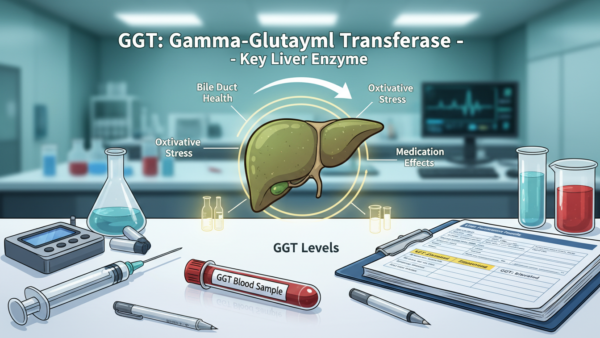
Understanding GGT normal range values, what elevated or low levels mean, and how doctors interpret gamma-glutamyl transferase test results for liver health.
Medical Information Only
This site provides general health information for educational purposes only — not a substitute for professional medical advice. Always consult your doctor about your results.
Evidence-based guides reviewed by licensed medical professionals — covering blood tests, metabolic panels, biomarkers, and diagnostic calculators.
Understanding GGT normal range values, what elevated or low levels mean, and how doctors interpret gamma-glutamyl transferase test results for liver health.
A GGT blood test meaning helps doctors evaluate liver function and bile duct health by measuring gamma-glutamyl transferase enzyme levels in the…
High ALP levels meaning explained: discover what elevated alkaline phosphatase indicates, common causes like liver and bone disorders, and when to seek…
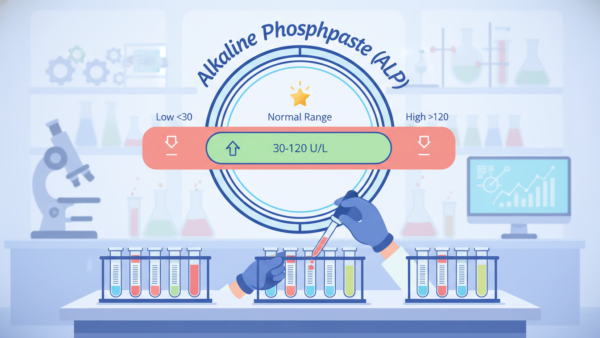
Learn about the ALP normal range, what this blood test measures, and how results indicate liver and bone health. Get expert insights…
High bilirubin levels meaning relates to elevated waste products in blood, signaling liver dysfunction, bile duct issues, or excessive red blood cell…
Understanding direct vs indirect bilirubin helps diagnose liver conditions. Learn the key differences, testing methods, and what abnormal levels mean.
Understanding bilirubin normal range is essential for liver health. Learn what test results mean and when levels indicate concern.
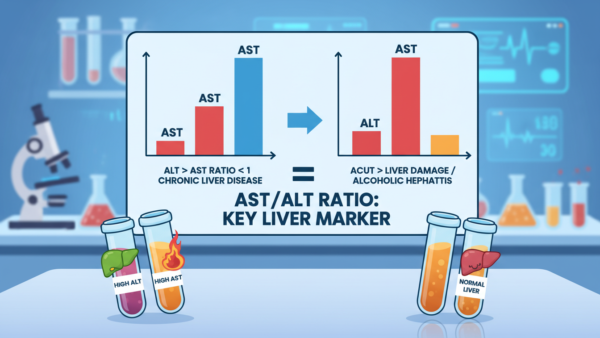
Learn the AST ALT ratio meaning and what this important liver test reveals about your health, including normal ranges and warning signs.
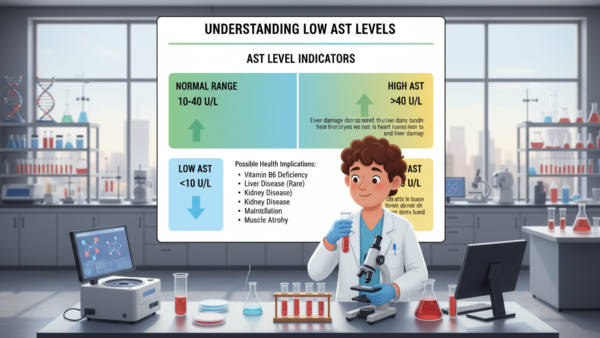
Low AST levels meaning explained: Discover what abnormally low AST blood test results may indicate about your liver health and overall wellness.
High AST levels meaning includes liver damage, heart problems, and muscle injury. Learn what elevated AST indicates and when to seek medical…